
Orario di apertura 2025
Dal 01 gennaio 2025 al 31 maggio 2025
Sabato e Domenica 11.00-18.00
APERTO ANCHE DURANTE QUESTE FESTIVITÀ:
Da Mercoledì 1 gennaio a Lunedì 6 gennaio 2025 11.00-18.00
Da Venerdì 18 aprile 2025 a Lunedì 21 aprile 2025 11.00-18.00
Da Venerdì 25 aprile a Domenica 27 aprile 2025 11.00-18.00
Da Giovedì 1 maggio a Domenica 4 maggio 2025 11.00-18.00
Dal 1 giugno 2025 al 30 settembre 2025
Giugno 2025: Aperto Sabato e Domenica 11.00-18.00
Luglio 2025: Aperto Venerdì, Sabato e Domenica 11.00-18.00
Da Venerdì 25 luglio 2025 a Domenica 7 settembre 2025 Aperto TUTTI I GIORNI 11.00-18.00
Settembre 2025: Aperto Sabato e Domenica 11.00-18.00
APERTO ANCHE DURANTE QUESTE FESTIVITA’:
Lunedì 02 giugno 2025 (festività) 11.00-18.00
Venerdì 15 agosto 2025 11.00-18.00
dal 1 ottobre 2025 al 31 dicembre 2025
Aperto Sabato e Domenica 11.00 -18.00
Da Sabato 20 dicembre 2025 a Mercoledì 31 dicembre 2025 Aperto TUTTI I GIORNI 11.00 -18.00
(Escluso il giorno di Natale)
APERTO ANCHE DURANTE QUESTE RICORRENZE o FESTIVITA’:
Giovedì 9 ottobre 2025 11.00 -18.00 (Anniversario Disastro del Vajont)
Sabato 1 novembre 2025 11.00 -18.00
Lunedì 8 dicembre 2025 11.00 -18.00
Venerdì 26 dicembre 2025 11.00 -18.00
Natale CHIUSO
MOSTRE “LA CATASTROFE DEL VAJONT – UNO SPAZIO DELLA MEMORIA” E “VAJONT: IMMAGINI E MEMORIE”
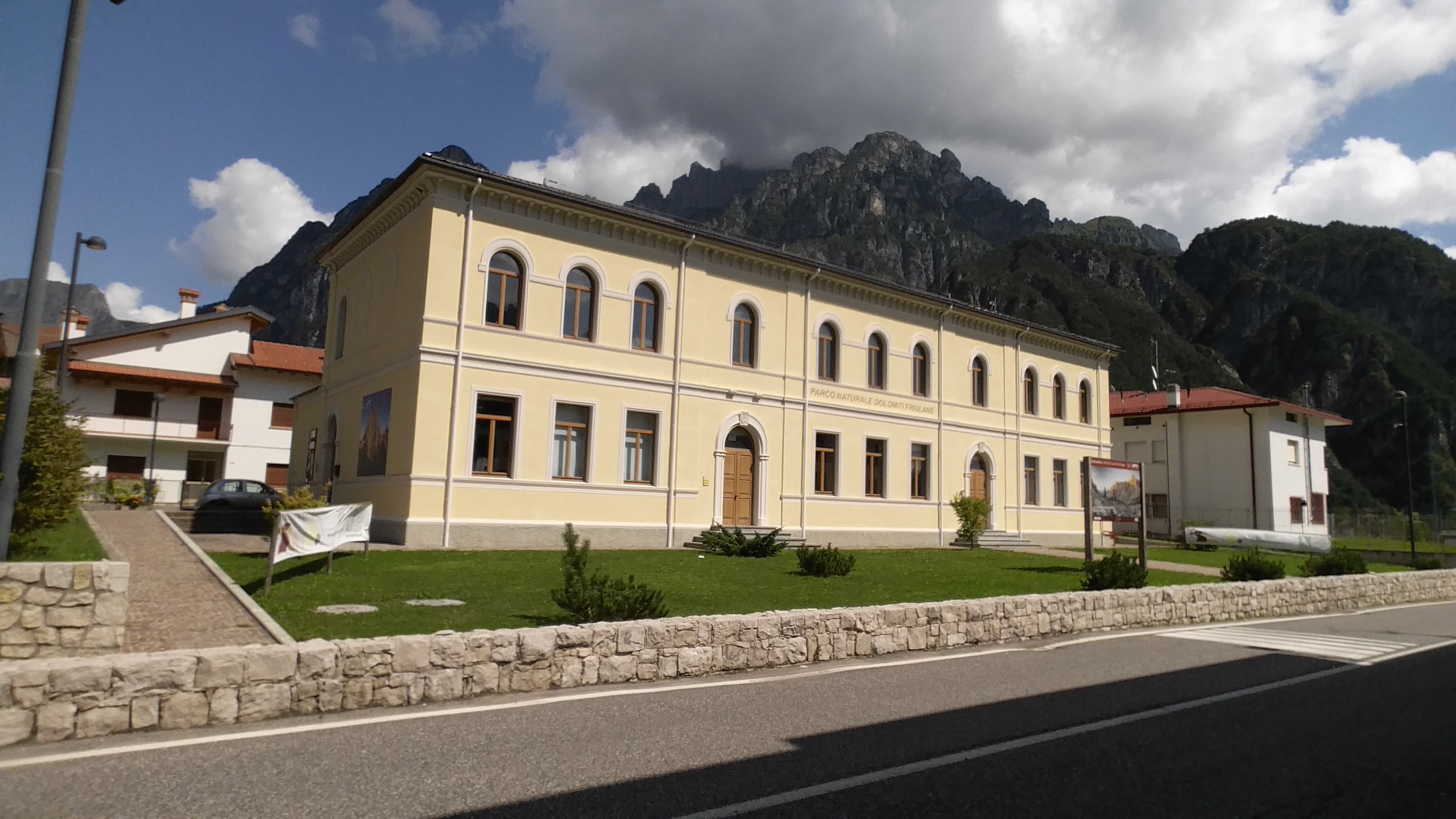
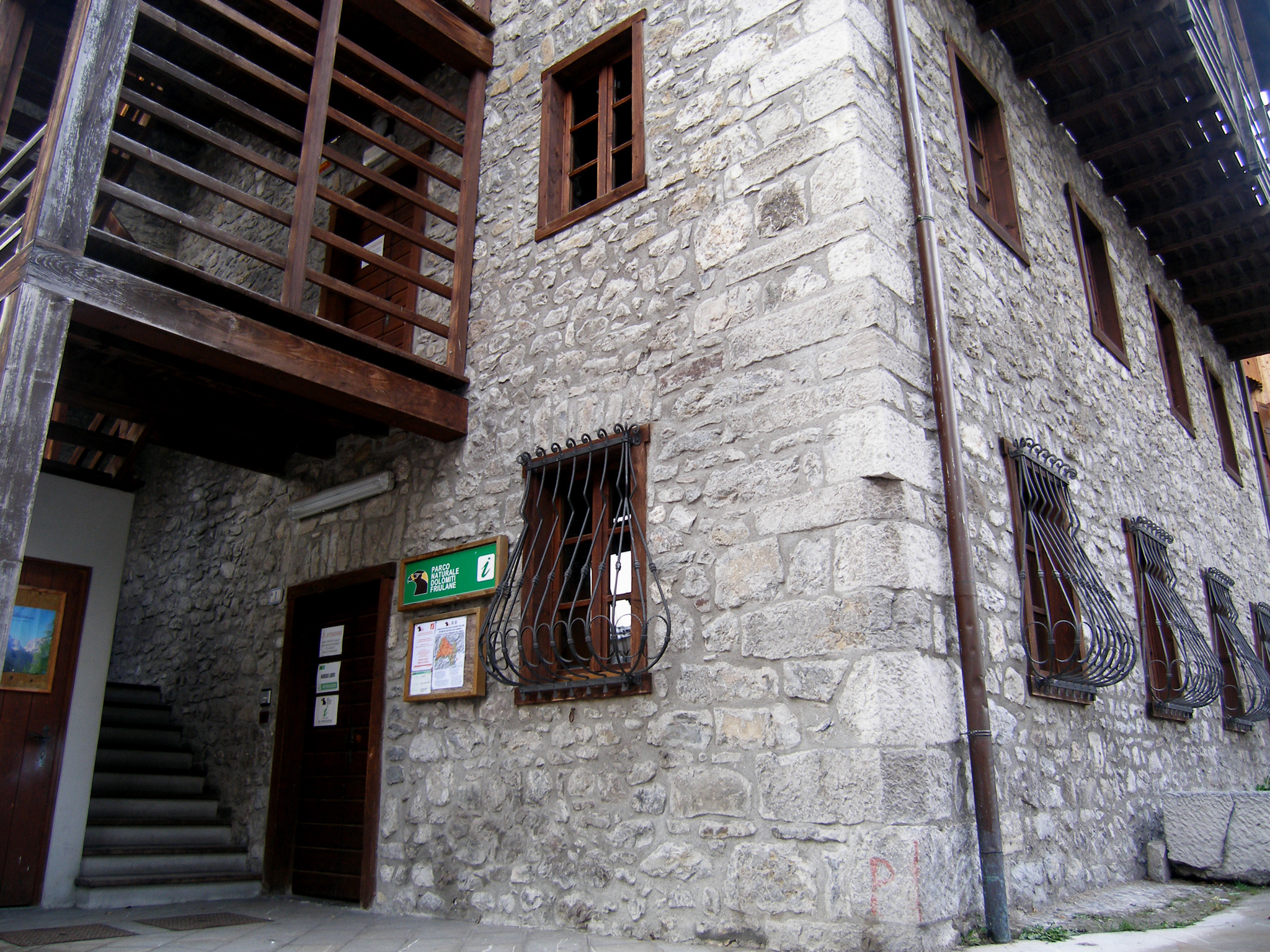
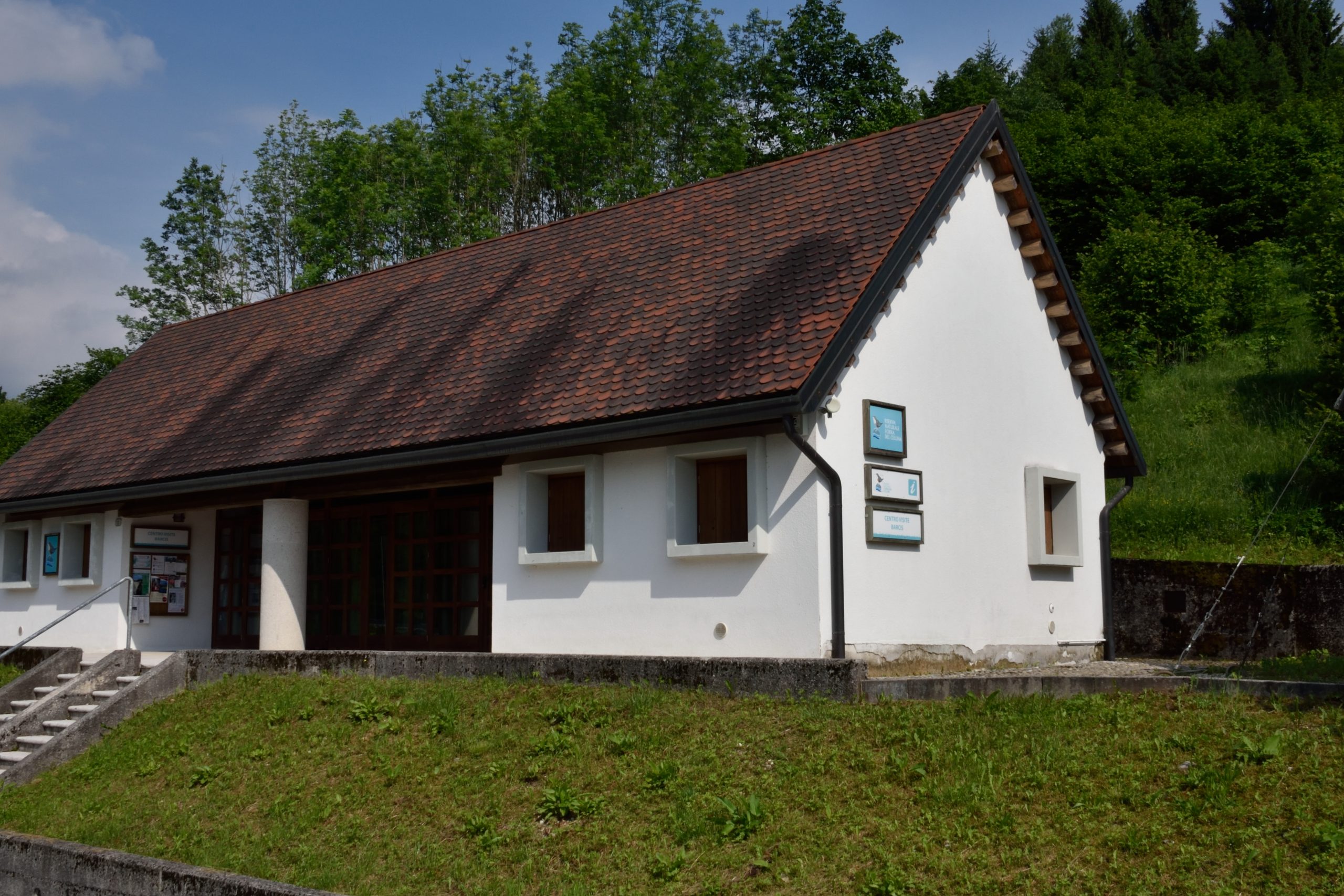
Il Centro Visite di Erto e Casso (PN) è situato nel paese di Erto, nell’edificio delle ex-scuole elementari del paese.
E’ uno tra i più importanti e completi centri di documentazione sul disastro del Vajont e valido punto di riferimento per studi e ricerche.
- La prima sezione: “Vajont Immagini e memorie” ospita una raccolta di foto d’epoca.
Il percorso vi condurrà indietro nel tempo alla scoperta di tradizioni, usi e costumi della gente del Vajont prima del tragico evento del 9 ottobre 1963, fino ad arrivare alla fatidica notte quando l’immensa frana si staccò dal monte Toc e precipitò nel lago artificiale scatenando la furia dell’acqua che causò 2000 vittime. - La seconda sezione: “Uno spazio della memoria” descrive in modo dettagliato e scientifico l’intera vicenda dalla progettazione del bacino idroelettrico del “grande Vajont” fino al processo. Tutto è raccontato attraverso pannelli descrittivi. Inoltre si possono consultare tabelle, grafici e confrontare plastici illustrativi.
Nella saletta multimediale un cd-rom permette di avere una visione globale sulla catastrofe e di osservare la ricostruzione grafica della frana e filmati originali dell’epoca.
- INDIRIZZO: Piazzale del Ritorno, 3 33080 Erto e Casso (PN)
- TELEFONO: +39 042787333
- EMAIL: info@parcodolomitifriulane.it
Uno spazio della memoria
Il Centro visite del Parco offre al visitatore una memoria della catastrofe del 9 ottobre 1963.
L’ambiente naturale della valle è stato sconvolto e la comunità ha subito:
- lutti e rovine;
- una cattiva gestione del rischio, sia “prima” con un eccesso di ottimismo, sia “dopo” con un eccesso di prudenza;
- una cattiva gestione dell’emergenza e della ricostruzione.
Per decenni la comunità è stata espulsa dalla valle, privata della sua economia e spinta fino alla scissione della sua originaria unità. Un terzo di secolo è passato, ma la Giustizia ha completato il suo corso solo pochi anni fa.
PRIMA SEZIONE DELLA MOSTRA
“PRIMA DELL’IMPATTO”
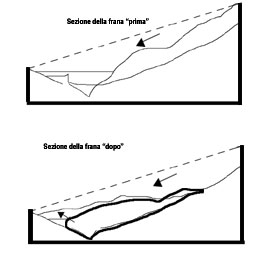
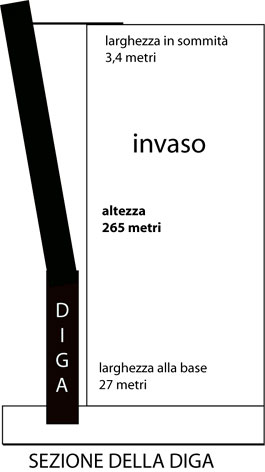
Alla fine degli anni ’50 la comunità era profondamente legata all’economia agricola tradizionale, integrata con il piccolo commercio ambulante. La stretta forra del Vajont suggerisce alla SADE l’idea di utilizzare la valle come bacino artificiale. Viene così realizzata una diga a doppia curvatura di 265 metri, la più alta del mondo, all’epoca. Nel 1960, in coincidenza dell’inizio dell’invaso, hanno luogo due frane. Viene disposto il monitoraggio del versante instabile, dell’estensione di due milioni di metri quadrati. Si dispone così di un preciso diagramma delle relazioni che legano l’aumento del livello del lago con l’aumento degli spostamenti della frana.
Nel mese di ottobre del 1963 l’imminenza della frana è evidente. Non vengono adottate adeguate misure di protezione della popolazione.
SECONDA SEZIONE
“L’IMPATTO”
Il 9 ottobre 1963 una frana di 300 milioni di metri cubi collassa a valle in un arco di tempo di 40 secondi, con una velocità di 65km/h. L’impatto della frana nel lago mette in movimento una massa di 48 milioni di m³ d’acqua:
- con un’onda di 80 metri che si diffonde nel lago, investendo gli insediamenti delle rive;
- con un onda di 170 metri che scavalca la diga e, precipitandosi a valle da una altezza di 400 metri, cancella gli insediamenti sottostanti.
TERZA SEZIONE
“EMERGENZA E RICOSTRUZIONE”
Dopo la frana non esiste più controllo del livello del lago. Nello scenario desolante della valle sconvolta, “dopo”, le istituzioni sopravvalutano il rischio. Tutta la popolazione viene evacuata.
Quando, tre anni dopo, il lago è stato del tutto svuotato, si insiste nell’imposizione del totale trasferimento degli abitanti. Ciò determina una forte conflittualità interna tra chi accetta il trasferimento e chi vuole riconquistare la propria valle e viverci. Nel 1971 si arriva alla traumatica scissione della comunità: viene istituito il nuovo comune di Vajont, frutto del trasferimento.
Il Piano Comprensoriale di ricostruzione estende l’azione su un’area di 22 volte più grande rispetto a quella danneggiata e “dimentica” di fatto la valle del Vajont.
Se si esclude il ripristino della viabilità in riva destra, l’unico intervento di piano consiste nell’abbandono della vecchia Erto, per realizzare un nuovo insediamento poco più in su.
Nessun altro intervento è stato attuato nella valle. Tutto il versante sinistro della valle è tuttora gravato da vincoli di inaccessibilità mai rimossi.
QUARTA PARTE
“GIUSTIZIA”
Causa Penale
La causa penale dura oltre 8 anni:
- vengono rinviati a giudizio 11 imputati;
- nel processo di primo grado, il PM chiede una condanna per 158 anni complessivi;
- il giudice afferma in sentenza che “la frana non esiste dal punto di vista giuridico…” e condanna, per il solo mancato allarme, 3 imputati, per 12 anni complessivi;
- in sede di Appello la condanna, per il solo mancato allarme, 3 imputati, per 12 anni complessivi;
- in sede di Appello la condanna è ridotta a complessivi 4 anni e 6 mesi;
- in sede di Cassazione viene ampliata la responsabilità e ridotta la pena a due soli imputati per un totale di 2 anni e 8 mesi
Causa Civile
Intentata contro l’ENEL dal Comune di Erto e Casso e poi da quello di Vajont. Nel 2000, a 37 anni dalla catastrofe, la sentenza definitiva obbliga l’ENEL a pagare danni per 6.109.685 Euro.
9 OTTOBRE 1963
UNA TESTIMONIANZA DI ANNA DE LORENZI (CASSO)
Quella sera, misi a dormire Renata e Fausto e poi andai da Magareta che abitava di fronte a me, per osservare dalla sua terrazza il Toc illuminato da un faro, situato in prossimità della diga del Vajont. Erano passate le ventidue e trenta.
 Ad un tratto, vedemmo le piante di pini e larici che si muovevano col terreno sottostante. Subito dopo la luce del faro si spense e sentii un rumore indescrivibile, che non avevo mai sentito prima e Magareta mi disse: – Viene la fine del mondo. Allora ci riparammo vicino al muro della casa, perché cadevano sassi da tutte le parti e l’acqua ci aveva bagnate.
Guardai il cielo e vidi che era sereno, c’erano anche le stelle. Poi ci ritirammo in casa. Dopo attimi di smarrimento io dissi che andavo a vedere dei miei bambini che erano soli. Uscii sotto il portico e poi mi trovai sulla strada che dovevo attraversare per andare a casa mia. Era invasa dall’acqua e non potei passare. Dovetti ripararmi ancora sotto il portico e attendere qualche minuto perché l’acqua cessasse. Poi entrai in casa di corsa.
Trovai Renata disperata perché la finestra della camera si era aperta ed era entrata l’acqua bagnando tutto. Renata mi disse: “Dov’eri, io ho chiamato e non mi rispondevi , la luce non si accende e siamo tutti bagnati”. Io accesi la candela, preparai i bambini e andammo tutti a casa di mia madre. Là c’era tutta una disperazione perché mancavano mia sorella Giacomina e mio fratello Dino.
Portai i miei bambini e Gervasia nel letto di mia madre e poi scesi in cucina. Poco dopo arrivò Luciano, mio nipote, che era già tornato da “Fraséign” in compagnia di altri uomini, dove si era recato precipitosamente a cercare sua madre. Era disperato, piangeva e diceva: “Come facciamo adesso noi senza mia mamma? Siamo in tre fratelli e Gervasia è ancora piccola”. Intanto era arrivata anche la nonna Pasca e sentendo questo li consolava e battendosi il petto ripeteva: “Sono qua io, penso io, non preoccupatevi, faccio tutto io”. E Luciano rispondeva: “Tu nonna , sei vecchia e mia mamma non c’è più . Come facciamo noi adesso che nostra mamma è morta? A Fraséign non ci sono più le casere. le stalle, non ci sono più strade, non c’è più niente!”
Lo guardai bene e mi accorsi che era tutto infangato, dai capelli ai piedi. Aveva le scarpe deformate per aver camminato al buio, nella melma, perché non c’era più neppure la traccia della strada. Mia mamma diceva: “Chissà il mio Dino, se è ancora in paese o se è già andato in cantiere”. Le restava un filo di speranza, più tardi seppe che era già partito e allora afflitta profondamente nel sentire questa notizia si chiuse in se stessa e non parlò più. Arrivò altra gente in casa, mia madre non voleva vedere nessuno, voleva essere lasciata in pace, perché pensava ai suoi figli, a Dino che non aveva ancora compiuto 24 anni, a Giacomina che lasciava tre ragazzi soli.Intanto, Gervasia, dalla camera da letto, continuava a chiamarmi e a supplicarmi di mandarle su la mamma. Insisteva a voler sua mamma e io non sapevo cosa dirle, poiché era morta. Le mentivo dicendo: “Verrà domani”.Fu una notte terribile che non vorrei più ricordare, mi si stringe il cuore a parlarne; ho un nodo in gola e non riesco a trattenere le lacrime.
LA FRANA DEL MONTE TOC E LA VALLE DEL VAJONT
La Frana del Vajont, staccatasi dalle pendici settentrionali del Monte Toc il 9 ottobre 1963 alle ore 22:39, ha provocato gravi e diverse conseguenze che, a distanza di anni, solo parzialmente sono state sanate, in parte per l’effetto e l’opera dell’uomo ed in parte per il decorso spontaneo della natura.
L’enorme porzione di montagna, staccatasi e crollata repentinamente nel sottostante bacino, sconvolse e mutò drasticamente il paesaggio stesso; la gigantesca ondata, alta una cinquantina di metri e forse più, sbattendo casualmente lungo le sponde del lago e deviata dai costoni di roccia distrusse la borgate di Fraseign, Spesse, Pineda, Prada, Marzana e S. Martino, asportando le solide costruzioni di pietra squadrata fino alle fondazioni. Il villaggio dei tecnici e operai sorto nelle immediate vicinanze della diga, costituito da uffici, abitazioni, mensa, servizi vari tra cui un paio di esercizi commerciali, fu annientato e sepolto dalla montagna crollata. Il tutto per oltre duecento morti dei quali solo 17 furono ritrovati.
I resti del villaggio degli operai sono ancora visibili e si possono visitare percorrendo un comodo sentiero che inizia proprio nei pressi della Diga del Vajont: il “Trui de la Moliesa”.
L’ondata al suo passaggio erose i boschi e i coltivi, distrusse ogni opera umana come strade, ponti, impianti tecnologici, etc.
Per molti mesi sul lago, che paurosamente continuava ad alzarsi minacciando gli abitati risparmiati dall’ondata, galleggiarono, ricoprendolo, ogni tipo di macerie, legnami e masserizie, assieme a resti di animali in putrefazione.
Per scongiurare il pericolo che il lago innalzandosi sommergesse il paese di Erto e tracimasse oltre la sommità della frana, fu necessario pompare l’acqua oltre il Passo S. Osvaldo attraverso grosse idrovore facendola defluire nel torrente Cellina.
Questo deflusso innaturale durò per qualche anno, fino a che non fu ripristinata la galleria di fondo (by pass) sommersa e in parte danneggiata dalla frana; così fu possibile ripristinare il deflusso idrico nella valle del Piave e svuotare il lago rimasto.
Lo svuotamento del lago, se da una parte ha scongiurato il pericolo, ha messo a nudo le sponde della valle e la parte più a monte del fondovalle reso lunare e allucinante dalle erosioni, dalla totale mancanza di vegetazione e dalla melma del fondo.
Le conseguenze e gli effetti di questi eventi, soprattutto per quella parte di popolazione superstite di Erto che ostinatamente e coraggiosamente ha scelto e lottato per continuare a vivere nella valle di origine, non sono mai state adeguatamente valutate e considerate. Solo dopo lo spettacolo teatrale di Marco Paolini, portato in giro per le piazze e trasmesso in televisione e la realizzazione del film “Vajont” di Renzo Martinelli l’opinione pubblica, ma anche la gente comune, si è sensibilizzata e interessata maggiormente al problema Vajont.
La più evidente conseguenza resta comunque e sarà sempre il mutamento del paesaggio e lo sconvolgimento anche geografico e morfologico dei luoghi; dove c’era una profonda valle ora c’e una montagna, dove c’era un grande lago resta una valle erosa e dissestata, al posto dei prati e delle casere abitate del Toc c’è un’enorme lastronata di pietra bianca.
Con il trascorrere degli anni gli agenti atmosferici e madre natura hanno rimediato in parte al dissesto, infatti le acque si sono rimodellate gli alvei di scorrimento ricostituendo in parte la rete idrica, la vegetazione pioniera gradualmente ha ricolonizzato rinverdendoli i pendii e i versanti, dove l’humus e il substrato lo consentono sono nate varie specie arbustive e arboree e anche la fauna ha ripreso possesso del territorio.
Il Parco delle Dolomiti Friulane ha ritenuto di inserire nel suo territorio l’area della grande frana in quanto questa è ritenuta un fenomeno di interesse geologico unico al mondo.
E’ stato allestito ad Erto un Centro visite che ospita la mostra fotografica sulla catastrofe del Vajont “Uno spazio della memoria”. Viene descritta in modo preciso e scientifico l’intera vicenda che ha colpito le genti di Erto e Casso e Longarone. Oltre ai pannelli descrittivi si possono consultare tabelle, grafici, confrontare plastici illustrativi, mentre un cd-rom permette di avere una visione globale sulla catastrofe e di osservare la ricostruzione grafica della frana e filmati originali dell’epoca.
Tutto questo fa del Centro Visite di Erto un importante e completo centro di documentazione sul tragico evento e anche un valido punto di riferimento per studi e ricerche.
La valle del Torrente Vajont mette in comunicazione l’ampio solco vallivo del Piave con la pianura friulana attraverso la Val Cellina. E’ una valle stretta, caratterizzata da versanti scoscesi e dirupati; in corrispondenza a modesti ripiani, presenti sia sulla sponda destra che sinistra del torrente, sorgono i paesi di Erto e Casso e le borgate di Le Spesse, S. Martino, Prada, Liron, Pineda. A cavallo tra gli anni ’50 e ’60, a poche centinaia di metri a monte della confluenza con il F. Piave, il torrente fu sbarrato da una diga per scopi idroelettrici. Tale impianto non entrò mai ufficialmente in funzione perché una gigantesca frana colmò parzialmente il serbatoio, provocando una terribile ondata: i paesi lungo il lago, Longarone ed altri abitati vennero rasi al suolo, con un tragico bilancio di quasi 2.000 morti.
LA GEOLOGIA E LA GEOMORFOLOGIA
La frana del Vajont non è che il più recente e tragico capitolo della complessa e lunga storia della vita di una montagna, durante la quale le rocce si formarono, vennero sollevate e quindi erose; in questa storia si possono anche rinvenire alcune delle cause che hanno preparato l’evento franoso.
La formazione delle rocce
165 milioni di anni fa, l’area del Monte Toc e quella della valle del Vajont erano parte di una estesa scarpata sottomarina che fungeva da collegamento tra una zona di mare basso ed una di mare profondo 700-1000 m.
I fenomeni franosi frequenti organizzarono i materiali in formazioni di rocce calcaree omogenee, quindi sottili strati di calcare si alternarono ripetutamente a livelli di argilla e fango carbonatico.
La frana del Monte Toc ha coinvolto proprio la fitta e disomogenea alternanza di calcari e argille; queste ultime, inoltre, durante il moto della frana hanno agito come materiali lubrificanti agevolando lo scivolamento.
Il sollevamento delle rocce
A partire da circa 30 milioni di anni fa le formazioni rocciose calcaree e le alternanze di calcari e di argille vennero piegati, fratturati e successivamente sollevati, in seguito ai fenomeni che originarono le Alpi. La superficie di distacco della zona venne così a coincidere proprio con il piano inclinato (pendice) che sale dalla Valle verso la Cima del M.Toc.
L’erosione delle rocce
Nel corso degli ultimi due milioni di anni gli agenti atmosferici e l’azione dei ghiacciai hanno modellato i versanti della Valle del Vajont. Ulteriori sostanziali cambiamenti alla morfologia della valle sono stati impressi dall’uomo e dalla natura tra il 1957 e il 1963: prima i prati, le gole e i coltivi presenti sugli scoscesi versanti della Valle vennero sepolti, nel lago artificiale, sotto circa 150 milioni di metri cubi di acqua; successivamente la frana del Monte Toc trasformò in un colle quello che era stato un tratto di valle.
LA FRANA
La frana che si staccò dalle pendici settentrionali del Monte Toc aveva dimensioni gigantesche: con un fronte superiore a due chilometri, una larghezza di almeno 500 metri ed una altezza di circa 250, essa trasportò a valle oltre 270 milioni di m3 di rocce e detriti. Tale massa, se venisse asportata da 100 camion, calerebbe di 1 mm al giorno: a tali ritmi, per rimuoverla tutta sarebbero necessari 7 secoli !
La frana aveva, oltre alle enormi dimensioni, anche una elevata velocità: avanzando a circa 100 km/ora, tale fu l’accelerazione che, in pochi secondi, risalì lungo il versante opposto per più di cento metri, sbarrando la valle e modificandola in maniera definitiva.
Al momento del disastro, l’altezza dell’acqua in prossimità della diga era pari a 240 m e il serbatoio conteneva poco più di un terzo dell’invaso totale. La forza d’urto della massa franata creò due ondate che si abbatterono una verso monte, spazzando i paesi lungo le rive del lago e l’altra verso valle. Quest’ultima superò lo sbarramento artificiale innalzandosi sopra di esso fino a lambire le case più basse del paese di Casso, poste 240 m sopra la diga; si incanalò quindi nella stretta gola del Vajont, acquistando sempre maggior velocità ed energia; all’uscita della gola, la massa d’acqua, alta 70 metri e con una velocità di circa 96 km/ora, si riversò nella valle del Piave radendo al suolo il paese di Longarone ed alcuni villaggi vicini.
Le vittime di questo tragico disastro, avvenuto in meno di 5 minuti, furono 1909.
LA DIGA
Già all’inizio del secolo alcune società private avevano intuito la possibilità di sfruttare in modo capillare le acque del bacino del Piave per produrre energia elettrica. Tra gli anni ’30 e ’60 vennero formulati e via via perfezionati vari progetti che portarono alla realizzazione di una serie di sbarramenti, laghi artificiali e relative centrali idroelettriche in più località lungo il corso del Piave e dei suoi principali affluenti. Venne pure avviata la costruzione di una complessa e grandiosa rete di condotte forzate che, collegando i vari invasi, consentiva di sfruttare più volte la stessa acqua. In questa logica di utilizzazione razionale e capillare del bacino del Piave, la diga del Vajont assumeva un ruolo chiave: essa riceveva infatti le acque provenienti da tutti i serbatoi situati nell’alta valle del Fiume Piave, le quali venivano successivamente convogliate nel lago artificiale di Val Gallina, serbatoio di carico sovrastante la centrale di Soverzene. Proprio in relazione al suo importante ruolo la diga del Vajont fu ripensata ed ingrandita, diventando il progetto “Grande Vajont”.
Nel 1957 la società SADE di Venezia presentò il progetto definitivo e diede il via ai lavori che furono completati nel 1959. La diga, una costruzione ad arco alta 264.6 m, era nel suo genere, la più grande del mondo e la seconda in assoluto. Dal 1960 iniziò il collaudo della diga con il riempimento del serbatoio. Già il primo invaso mise in luce una generale instabilità delle sponde del lago e soprattutto della sponda sinistra: il versante era infatti interessato da segni di movimenti quali alberi inclinati, fessure nel terreno e fenditure sui muri delle abitazioni; il 4 novembre 1960 si staccò una frana che scivolò nel lago mentre si delineò, in alto, una lunga frattura a forma di M che costituì la futura nicchia di distacco della frana del 9 ottobre 1963. I tecnici consultati formularono due ipotesi sul tipo di movimento: una prevedeva franamenti successivi di modeste dimensioni, l’altra un unico, grande scivolamento; nessuno però si aspettava la rapidità e la violenza con cui l’evento si verificò.
DIGA AD ARCO
- ALTEZZA: 264,6 m
- QUOTA MASSIMO INVASO: 722,5 m slm
- QUOTA MINIMA INVASO: 462 m slm
- QUOTA MASSIMA: 725,5 m slm
- INVASO TOTALE: 168.715.000 m³
- INVASO UTILE: 150.000.000 m³